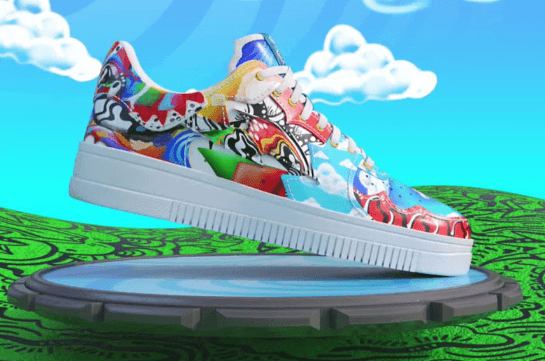
The study of fashion as emotional signaling treats texture, silhouette, and color as a coordinated system that maps to mood and readiness. Observable cues influence perceived competence and intentions, shaping social judgments. Textural variation modulates arousal, while color and contour calibrate confidence and approachability. Individuals use attire to regulate autonomy within normative contexts, crafting feedback loops between self-presentation and audience response. The implications for everyday interaction warrant careful, ongoing examination.
How Clothing Signals Our Emotions
Clothing functions as a nonverbal cueset through which observers infer emotional states, as color, texture, and silhouette collectively convey affective information independent of spoken language. The present analysis examines texture perception and color symbolism as systematic signals, detailing how perceptual cues align with reported affective states. Observational data indicate consistent associations, supporting a behaviorally grounded theory of emotion signaling through attire.
Textures, Silhouettes, and Color: The Emotional Toolkit
Textures, silhouettes, and color function as a triad of perceptual cues that shape emotional interpretation of attire. The analysis approaches textiles, silhouettes, and chromatic choices as measurable contributors to affective appraisal, linking tactile variation to mood and social signaling. Observers differentiate textures textures and silhouettes silhouettes through consistent perceptual mappings, supporting empirical generalizations about how material form and contour relate to behavioral dispositions.
The Psychology of Confidence: What You Wear to Feel Ready
The psychology of confidence in attire examines how sartorial choices modulate readiness to engage tasks and social interactions.
From empirical observation, clothing behaviorally shapes perceived competence and motivation, aligning cognitive effort with situational demands.
Confidence rituals emerge as structured routines reinforcing predictability.
Mood boosting fabrics contribute to arousal regulation, sustaining task-focused attention while preserving autonomy and freedom in self-presentation.
Navigating Self-Expression in Social Contexts
Acknowledging how attire shapes confidence, this section examines how individuals negotiate self-expression within social settings. Observations indicate that choices respond to social cue dynamics, balancing conformity and autonomy. Bold textures and color symbolism illuminate mood switch outfits, signaling intent and regulating perception. Theoretical models emphasize context, audience, and feedback loops, while behaviorally grounded data reveal adaptive styling as strategic communication in social interaction.
See also: Top NFT Trends to Watch
Frequently Asked Questions
How Does Fashion Influence First Impressions in New Relationships?
First impressions are shaped by fashion dynamics, as wardrobe psychology guides perceived reliability and warmth; clothing acts as relationship signaling, influencing initial judgments while individuals maintain freedom to reinterpret appearances, despite empirical tendencies toward positive or negative assessments in new relationships.
Can Wardrobe Changes Alter Long-Term Mood Patterns?
Who notes coincidence aligns wardrobe mood shift with fluctuating affect; wardrobe mood shift appears linked to daily cues, but long term wearables show limited consistency in mood trajectory, warranting empirical replication, theoretical rigor, and cautious interpretation for autonomy-minded observers.
Do Cultural Norms Dictate Which Colors Express Which Emotions?
Cultural norms partially shape color-emotion associations, but universals emerge through color psychology; cultural symbolism mediates interpretation. Theoretical rigor suggests contexts modify meaning, while empirical behavioral data show variability across individuals and cultures, enabling flexible, freedom-centered self-expression.
How Do Budget and Access Shape Emotional Styling Choices?
Budget constraints and access limitations shape emotional styling choices by constraining material selection, garment longevity, and timely experimentation, leading individuals to prioritize versatility, perceived value, and personal meaning within available resources, rather than optimal stylistic signaling.
What Role Do Accessories Play in Emotional Storytelling?
Accessories function as tangible signals within emotional storytelling, shaping perception and behavior. The analysis notes two word discussion ideas, emotional symbolism, and anachronism: a vinyl record scrolls through outfits, illustrating empirical links between meaning and audience response.
Conclusion
Clothing functions as a nonverbal amplifier of affect, shaping perception and behavior through measurable cues in texture, silhouette, and color. The empirical pattern suggests attire modulates arousal, confidence, and perceived competence within social exchanges, guiding both self-regulation and audience interpretation. This triad forms a repeatable behavioral protocol: attire influences intention, which in turn reacts to feedback. As the adage goes, “dress for the weather you want to navigate,” translating mood into observable, adaptive action.